

How AI-Powered SaaS Tools Are Changing Small Businesses in 2026: A Complete Guide
January 3, 2026 | by mk75089317@gmail.com
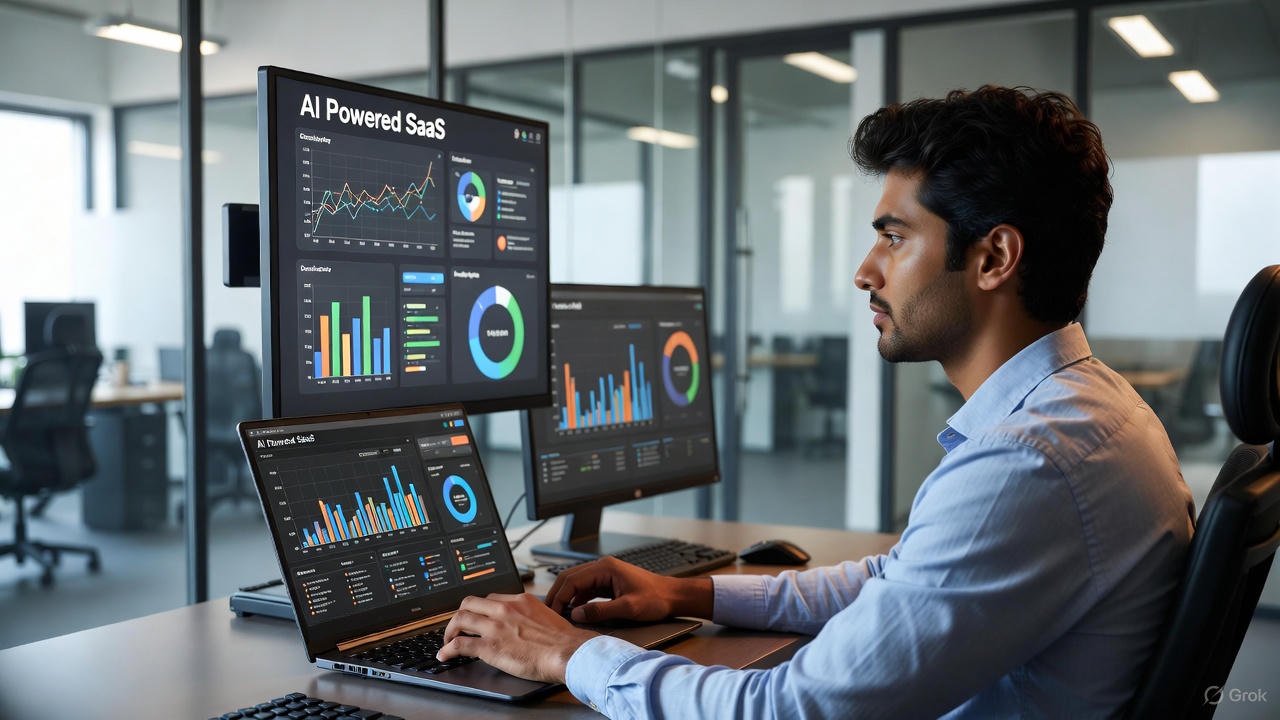
Discover how AI-powered SaaS tools for small businesses in 2026 are driving growth, cutting costs & automating tasks. Get real examples, top tool recommendations, and a simple start guide.
Get Hostinger at 20% Discount
https://hostinger.in?REFERRALCODE=CM8MK7508CRS
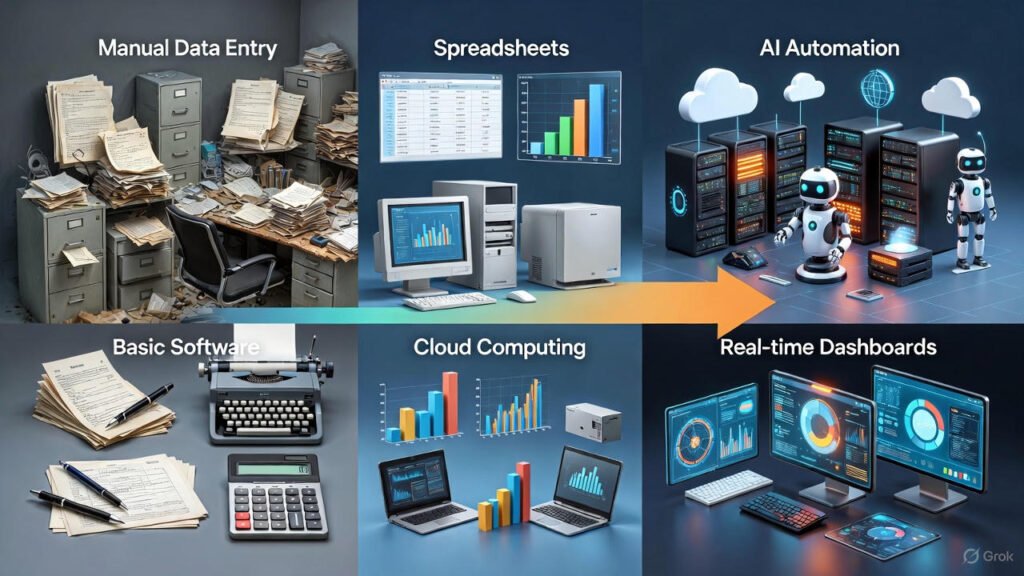
Running a small business has always been a challenge, but 2026 is different. For years, small business owners, freelancers, and startup founders have grappled with limited resources, fierce competition, and the constant pressure to do more with less. Hiring a full team of experts—a marketer, a bookkeeper, a sales analyst, and a 24/7 support agent—was a distant dream for most.
Today, that dream is not only achievable but affordable. The catalyst? AI-powered SaaS tools for small businesses.
This blog isn’t about a distant sci-fi future. It’s about the present reality of 2026, where AI automation for startups and solopreneurs is leveling the playing field. We’ll cut through the hype and show you, with practical examples from the USA and India, how these tools are solving real-world problems, boosting profits, and freeing up precious time.
If you’ve ever felt overwhelmed by administrative tasks, struggled to personalize marketing, or worried about missing customer inquiries after hours, this guide is for you. Let’s explore how AI SaaS tools 2026 are not just changing the game but rewriting the rulebook for small businesses.
https://www.gartner.com/en/information-technology
What Are AI-Powered SaaS Tools? (A Simple Explanation)
Let’s break down this important term.
- SaaS (Software as a Service): Think of software you use online through a web browser, like Google Docs or Canva. You don’t install it on a CD; you pay a monthly or yearly subscription to access it over the internet.
- AI-Powered: This means the software has built-in artificial intelligence. It can learn from data, make predictions, automate complex tasks, and even understand human language, much like a very smart, tireless assistant.
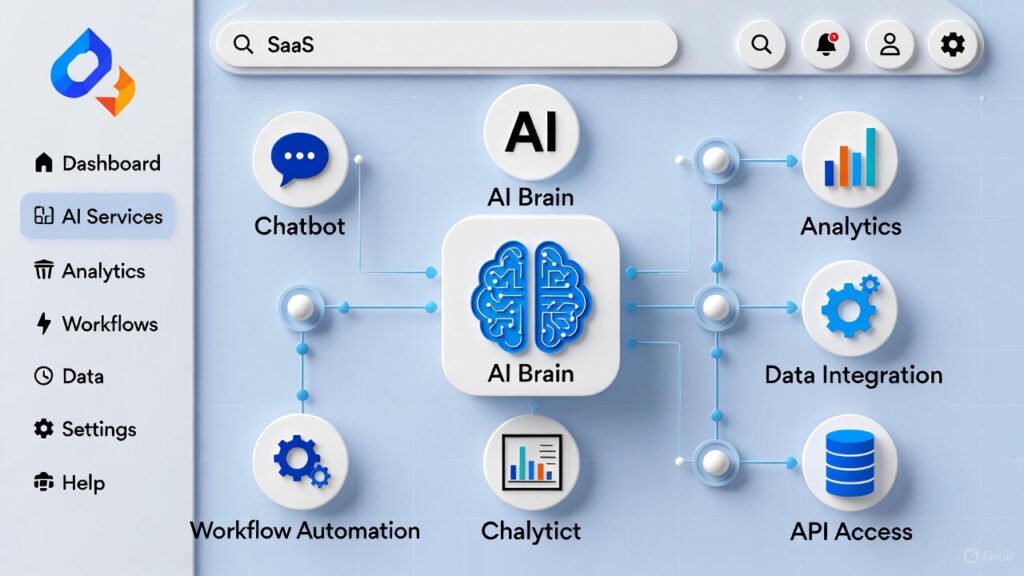
Combine them, and you get AI-powered SaaS tools: affordable, cloud-based software that uses artificial intelligence to perform tasks that previously required human intelligence and significant time.
In simple terms, they are your 24/7 digital employees. They don’t get sick, don’t take vacations, and their sole purpose is to make your business run smoother and smarter.
Why 2026 Is a Turning Point for Small Businesses
The convergence of three major trends has made 2026 the year AI truly goes mainstream for SMEs:
- Maturity & Affordability: The early, expensive, and complex AI of the early 2020s has matured. AI tools for small businesses are now user-friendly, niche-specific, and priced for bootstrapped budgets. You no longer need a tech team to use them.
- The “Hyper-Personalization” Imperative: Customers in both the USA and India now expect experiences tailored specifically to them. Generic email blasts and one-size-fits-all service no longer work. AI is the only scalable way to deliver this personalization.
- The Data Deluge: Every small business generates data—website visits, sales records, customer chats. In 2026, the best AI SaaS tools for SMEs are designed to make sense of this data instantly, turning it into actionable insights you can use the same day.
Top Ways AI SaaS Tools Are Transforming Small Businesses in 2026
1. Marketing & Sales Automation: From Spray-and-Pray to Predict-and-Engage
Gone are the days of manual customer segmentation.
- Content & Ads: AI tools now write high-quality first drafts of blog posts (like this one!), generate ad copy variants, and even create basic social media images. More importantly, they continuously A/B test every element and allocate your ad spend to the best-performing channels automatically.
- Lead Scoring & Nurturing: AI analyzes website behavior to predict which visitors are most likely to buy. It then triggers personalized email sequences or chatbot conversations to guide them down the sales funnel while you sleep.
https://www.mckinsey.com/capabilities/quantumblack/our-insights
2. Customer Support: The 24/7 Front Desk
AI chatbots and Voice AI have evolved from frustrating loops to helpful problem-solvers.
- Instant Resolution: They handle 80% of routine queries (tracking orders, booking appointments, FAQs) in multiple languages, freeing your human team for complex, high-value interactions.
- Sentiment Analysis: AI doesn’t just answer; it listens. It detects customer frustration in chat and can escalate issues to a human agent with context, preventing a bad review.
3. Accounting & Finance: Your AI CFO
Financial management is becoming proactive, not reactive.
- Automated Bookkeeping: AI categorizes expenses, reconciles transactions, and generates financial reports by simply connecting to your bank and payment gateways.
- Cash Flow Forecasting: By analyzing past data and upcoming invoices/bills, AI tools can predict your cash flow for the next quarter, warning you of potential shortfalls before they become crises.
- Smart Invoicing: AI can send automated payment reminders, apply early-payment discounts, and even suggest optimal payment terms based on a client’s history.
4. HR & Recruitment: Finding the Right Talent, Fast
For a small team, a bad hire is costly. AI is streamlining the process.
- Intelligent Screening: AI scans hundreds of resumes in minutes, ranking candidates based on skills, experience, and even cultural fit for the role, saving countless hours.
- Automated Onboarding: New hires are greeted by an AI assistant that guides them through paperwork, training modules, and team introductions, ensuring a smooth start.
5. Operations & Workflow Automation: The Central Nervous System
This is where small business automation with AI creates massive efficiency gains.
- Project Management: AI in tools like Asana or Trello can predict project delays, auto-assign tasks based on team workload, and summarize meeting notes into actionable to-do lists.
- Inventory & Supply Chain: For product-based businesses, AI forecasts demand with high accuracy, suggests optimal reorder points, and can even identify the most reliable and cost-effective suppliers.
Real-Life Examples: USA & India
- Indian D2C Fashion Brand (Mumbai): Facing high cart abandonment, they implemented an AI-powered chatbot that offered personalized style advice and instant discount codes. Result: A 22% reduction in abandoned carts and a 15% increase in average order value within 3 months.
- US-Based Digital Marketing Agency (Austin): Struggling with client reporting, they adopted an AI tool that pulls data from all platforms (Google Ads, Meta, LinkedIn), creates narrative-driven performance reports, and highlights key insights. This saved 20+ hours per month per account manager, which was redirected to strategy.
Key Benefits of AI SaaS for Small Businesses
- Dramatic Cost Savings: Automate tasks equivalent to multiple part-time roles.
- Superior Customer Experience: Offer 24/7 support and hyper-personalized interactions.
- Data-Driven Decisions: Move from gut feeling to insights-backed strategy.
- Increased Productivity: Free your team from repetitive tasks for creative, growth-focused work.
- Competitive Edge: Operate with the efficiency and intelligence of a much larger company.
Challenges & Smart Limitations
- Initial Cost & Learning Curve: Subscription costs add up. Choose tools with free trials. The learning curve exists but is lower than ever—look for intuitive interfaces.
- Data Privacy & Security: This is paramount. Always choose reputable vendors with clear data policies (GDPR, local compliance). Your data is your crown jewel.
- The “Human-in-the-Loop” Necessity: AI is a powerful assistant, not a replacement for human judgment, creativity, and empathy. The most successful businesses use AI to augment, not automate, their core human value.
Best AI-Powered SaaS Tools in 2026 (Category-Wise)
| Category | Tool Examples (2026) | Core AI Function | Ideal For |
|---|---|---|---|
| Marketing | Jasper 3.0, Copy.ai, HubSpot AI | Content generation, ad copy, campaign analytics | Solopreneurs, agencies, D2C brands |
| Sales & CRM | Salesforce Einstein, Clari, Freshsales Freddy | Lead scoring, forecast prediction, email automation | B2B startups, sales teams |
| Customer Support | Intercom Fin, Zendesk Answer Bot, Drift | Conversational AI, ticket triage, knowledge base | E-commerce, SaaS, any service business |
| Finance | QuickBooks AI Assistant, Bill.com, Expensify | Automated bookkeeping, invoice processing, fraud detection | All small businesses |
| Operations | Trello Butler, Zapier Brain, Notion Q&A | Workflow automation, data synthesis, task management | Project-heavy teams, solopreneurs |
| HR & Recruitment | HireVue, SeekOut, Rippling | Resume screening, skills mapping, onboarding automation | Scaling startups, small teams hiring frequently |
How Small Businesses Can Start Using AI SaaS Today
- Audit Your Pain Points: Where are you spending the most manual time? Is it replying to emails, creating social posts, or chasing invoices? Start there.
- Start Small, Think Big: Pick one area to automate. Don’t try to overhaul everything at once. A great starting point is often marketing content or customer service FAQs.
- Leverage Free Trials & Demos: Almost every tool offers a trial. Use it. Involve your team in testing.
- Train Your Team: Frame AI as a helper, not a threat. Show them how it removes drudgery.
- Measure & Iterate: Track a key metric before and after implementation (e.g., hours saved, lead conversion rate, customer satisfaction score).
The Future of Small Businesses with AI (2027 & Beyond)
By 2027, we’ll move from single-task tools to integrated AI business companions. Imagine an AI that doesn’t just manage your books but analyzes your financial data, cross-references it with marketing campaigns, and suggests, “Your Q3 ad spend on Platform X yielded low ROI. I recommend reallocating 30% of it to influencer partnerships, which drove higher customer lifetime value.”
AI will become more predictive, more conversational, and more deeply woven into the fabric of every business operation. The small business that embraces this shift will not just survive; it will define the future of its industry.
Conclusion & Your Next Step
The revolution powered by AI-powered SaaS tools for small businesses is here, and it’s deeply practical. It’s about working smarter, serving your customers better, and reclaiming your most valuable asset: time.
The question for you in 2026 is not if you should adopt AI, but where to start. The barrier to entry has never been lower, and the competitive advantage has never been higher.
Frequently Asked Questions (FAQs)
1. Aren’t AI SaaS tools too expensive for a very small business or solopreneur?
Not in 2026. Many tools start with free plans or very affordable tiers ($10-$30/month). The ROI is often measured in hours saved per month, which quickly justifies the cost. Start with one critical tool.
2. Do I need technical skills to use these AI tools?
Generally, no. The leading AI tools for small businesses in 2026 are designed for ease of use. They feature simple dashboards, plain-English commands, and excellent customer support. The skill is in knowing your business problem, not in coding.
3. Is my business data safe with an AI SaaS provider?
You must do your due diligence. Choose established providers with strong security credentials (like SOC 2 compliance), clear privacy policies, and a good reputation. Never use obscure, unvetted tools for sensitive financial or customer data.
4. Will AI tools make my current team redundant?
This is a common fear. In practice, AI automates repetitive tasks, not roles. It frees your team from administrative work, allowing them to focus on strategic thinking, creative projects, and complex customer relationships—areas where humans excel.
5. What’s the first AI tool a small business should implement?
It depends on your biggest bottleneck. For most, an AI-powered marketing copy tool (to speed up content creation) or a customer service chatbot (to capture leads and answer FAQs 24/7) offers the fastest and most visible return.
6. How is the AI SaaS landscape different in India compared to the USA?
The core technology is similar, but the leading tools often better support local nuances: multi-language support (Hindi, Tamil, etc.), integration with popular Indian payment gateways (Razorpay, UPI), and compliance with local regulations like India’s Data Protection Act. The adoption is rapidly accelerating in India’s vibrant startup and SME ecosystem.
Discover how AI-powered SaaS tools for small businesses in 2026 are driving growth, cutting costs & automating tasks. Get real examples, top tool recommendations, and a simple start guide.
AI-powered SaaS tools for small businesses, AI SaaS tools 2026, AI automation for startups, Best AI SaaS tools for SMEs.
Next Blog: AI Tools for Solopreneurs: Work Less, Earn More (Publish Tomorrow)
RELATED POSTS
View all

From Idea to Income: Starting an AI Automation Agency in 2026
January 25, 2026 | by mk75089317@gmail.com

Chat GPT Make Money Online: How to Earn $5,000 Per Month With AI Tools
January 9, 2026 | by mk75089317@gmail.com