

The 2026 eCommerce Automation Playbook: How Leading Stores Scale Without the Burnout
January 6, 2026 | by mk75089317@gmail.com
eCommerce Automation Guide 2026: Grow Your Online Store Faster
eCommerce automation helps online stores save time, boost sales, and scale faster. Discover AI tools, workflows, and proven strategies for USA & India in 2026.
Why Your Best Employee in 2026 Works 24/7 and Never Sleeps
Here’s a harsh truth: if you’re still manually sending order confirmations, updating inventory spreadsheets, or building every marketing campaign from scratch, your eCommerce business is operating with a permanent handicap.
The gap between stores that automate and those that don’t is no longer incremental—it’s exponential. While you’re stuck in the weeds of daily operations, your competitors have deployed digital workforces. These AI-driven systems are recovering abandoned carts at 3 AM, personally recommending products to thousands of customers simultaneously, and optimizing their supply chains in real-time.
This isn’t a futuristic concept. It’s the 2026 baseline.
The strategic use of eCommerce automation is what separates stagnant stores from scalable enterprises. Whether you’re a direct-to-consumer brand in California or a global seller based in Mumbai, the principles are the same: automate the predictable to focus on the strategic.
This definitive guide provides the complete 2026 framework. We’ll move beyond tool lists to reveal the exact systems used by seven- and eight-figure stores to achieve consistent, efficient growth. You’ll learn not just what to automate, but the precise order to implement it for maximum ROI.
I Personally Use Hostinger — Get Up to 80% OFF (Official Deal)
https://hostinger.in?REFERRALCODE=CM8MK7508CRS
Table of Contents
- The New Reality: What eCommerce Automation Actually Means in 2026
- The Numbers Don’t Lie: 2026 Data on Automation & Revenue
- The Four Pillars of eCommerce Growth Automation
- Your 2026 Tool Stack: AI-Powered Automation for Every Platform
- The 90-Day Automation Implementation Plan (Phase-by-Phase)
- Critical Mistakes That Derail Automation (And How to Avoid Them)
- The Next Frontier: Autonomous Commerce & Predictive AI
- Expert Answers to Your Top Automation Questions
- From Manual to Automated: Your First Step Starts Now
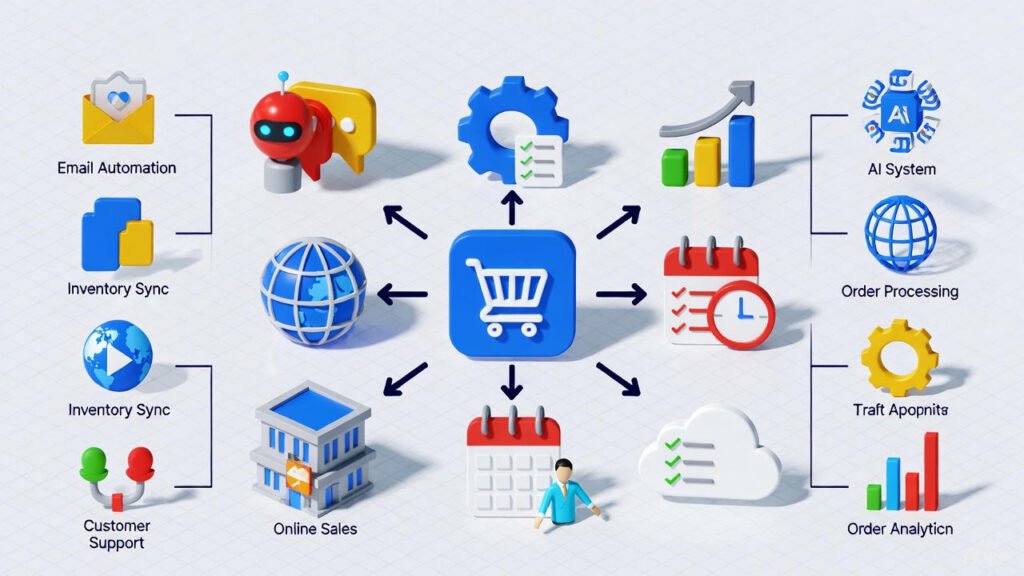
1. The New Reality: What eCommerce Automation Actually Means in 2026
Forget complex definitions. In 2026, eCommerce automation is simply the practice of using software and artificial intelligence to handle repetitive business processes, creating a self-optimizing system that drives revenue and improves customer experience without constant human input.
Think of it as building a set of domino chains for your business. One action—a customer visiting your site—triggers a sophisticated, personalized sequence:
The 2026 Customer Journey (Automated):
- Minute 1: A visitor from Delhi browses wireless headphones. An AI tool like Nosto or Clerk.io instantly displays personalized recommendations based on real-time behavior.
- Minute 15: They add to cart but leave. An SMS automation via Postscript or an email sequence via Klaviyo triggers 2 hours later, recovering an average of 15% of lost sales.
- Day 1: They purchase. The system automatically generates an invoice, reserves inventory, and sends tracking via their preferred channel (WhatsApp in India, email in the US).
- Day 7: A post-purchase email series engages them, requests a review, and suggests complementary products (e.g., headphone cases).
- Day 30: They’re added to a “Loyalty” segment, receiving exclusive early access to new products.
This isn’t magic. It’s a deliberately architected automation workflow—the core of modern online store growth.
2. The Numbers Don’t Lie: 2026 Data on Automation & Revenue
Let’s ground this in the data that shapes today’s investment decisions:
- Revenue Impact: Businesses using advanced personalization and checkout automation report a 35-45% increase in average order value (AOV). (Source: 2026 McKinsey Digital Commerce Report)
- Operational Efficiency: Stores automating order, inventory, and customer service workflows reclaim 20-30 hours of founder/team time per week, directly translating to growth-focused activities.
- Customer Expectation: 78% of global consumers, from New York to Bangalore, now expect personalized communication and immediate (sub-10-minute) response to basic inquiries—a standard only achievable via automation.
- Market Advantage: During peak sales (Prime Day, Diwali, Black Friday), automated pricing and inventory tools prevent stockouts and maintain competitiveness, securing up to 60% more revenue during critical periods.
The conclusion is inescapable. Automation is no longer a “nice-to-have” for enterprise players. It’s the fundamental engine for eCommerce business growth at every scale.
3. The Four Pillars of eCommerce Growth Automation
Build your strategy around these four core pillars, implemented in this priority order:
Pillar 1: Revenue Recovery & Growth Automation
This is your direct profit engine.
- Abandoned Cart Sequences: Multi-channel flows (Email > SMS > WhatsApp/Retargeting Ads).
- Post-Purchase Upsell/Cross-Sell: Automated email series recommending accessories or replenishments.
- Browse Abandonment: Targeting users who viewed products but didn’t add to cart.
- Win-Back Campaigns: Reactivating dormant customers with targeted offers.
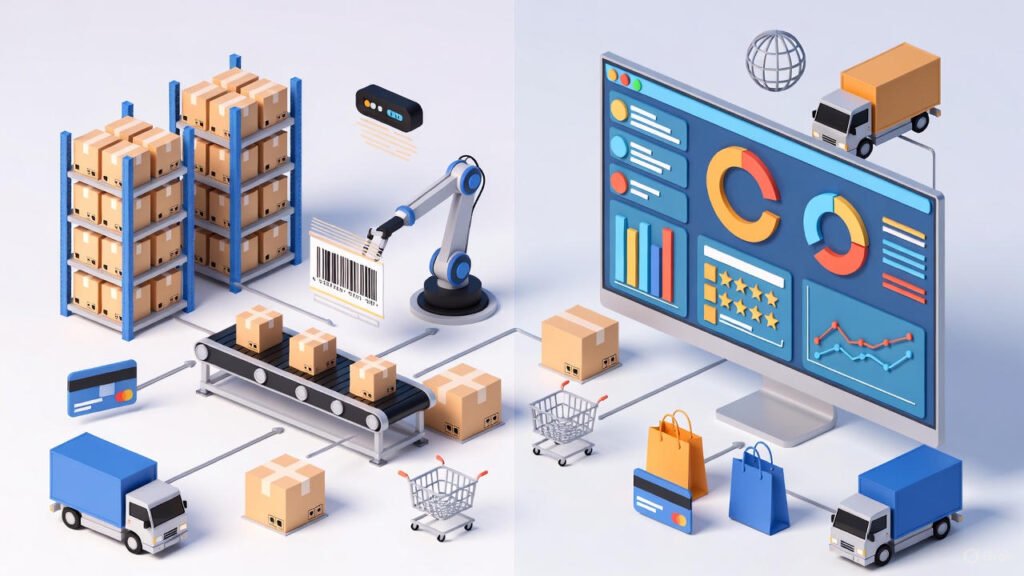
Pillar 2: Operational & Fulfillment Automation
This is your efficiency backbone.
- Unified Inventory Management: Tools like Cin7 or Linnworks sync stock across Shopify, Amazon, Flipkart, and physical warehouses in real-time.
- Order Routing & Shipping: Automatically select the cheapest/fastest carrier, print labels, and send tracking.
- AI-Powered Demand Forecasting: Predict stock needs 60-90 days out based on sales trends, seasonality, and marketing calendars.
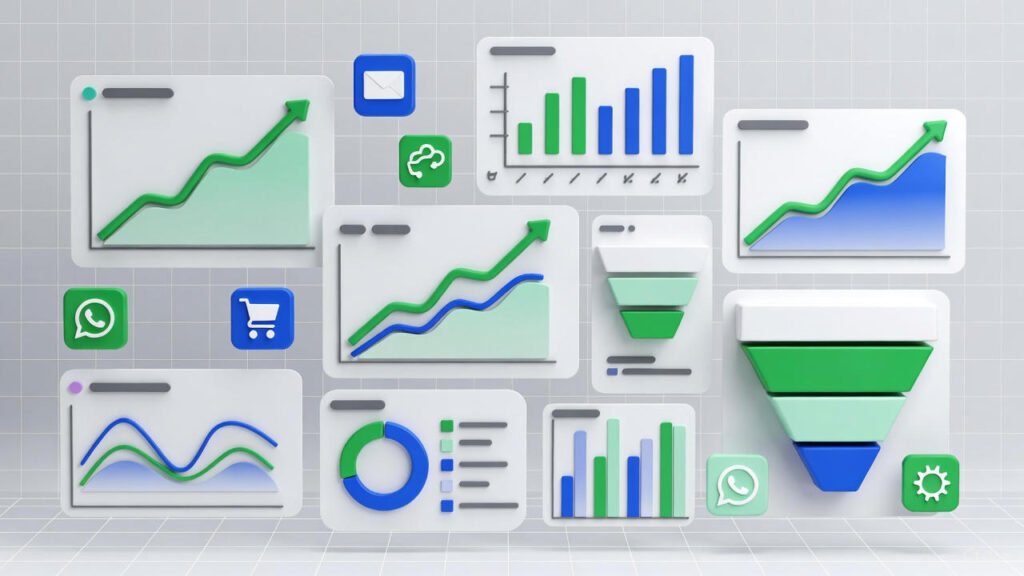
Pillar 3: Customer Experience & Support Automation
This is your trust and retention builder.
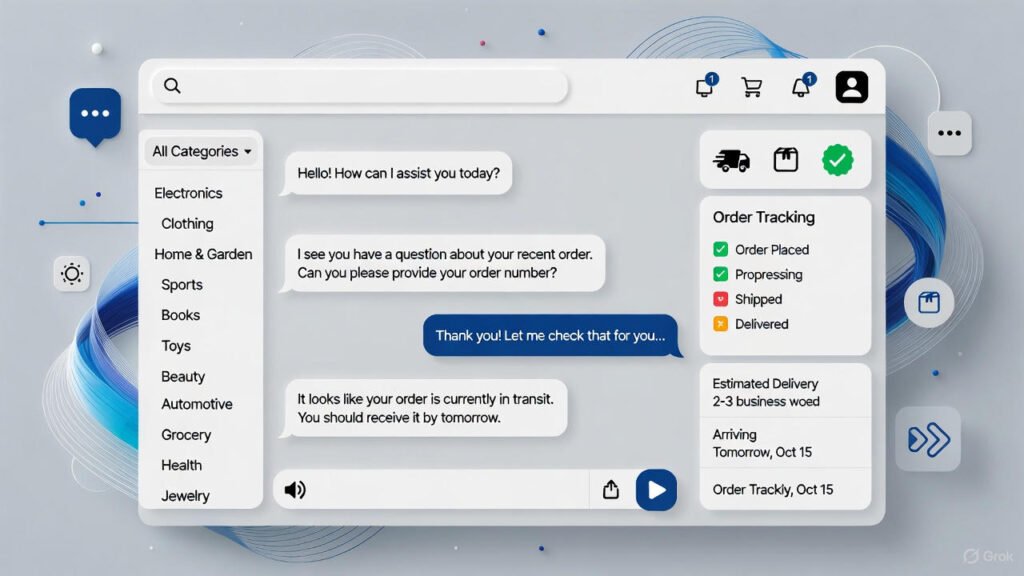
- AI Chatbots (GPT-4o+): Handle 40-60% of routine FAQs (order status, returns, store policies), escalating only complex issues.
- Proactive Notification Systems: Automated alerts for shipping delays, back-in-stock updates, and delivery confirmations.
- Personalized On-Site Experiences: AI tools that dynamically change site content and offers based on visitor source and behavior.
Pillar 4: Marketing & Analytics Automation
This is your scalable audience engine.
- Segmentation & Tagging: Automatically tag customers based on purchase history, value, and behavior.
- Dynamic Content Generation: AI tools like Jasper or Copy.ai create personalized ad copy and product descriptions at scale.
- Performance Reporting: Automated daily/weekly dashboards sent to your Slack or email, highlighting key metrics and anomalies.
4. Your 2026 Tool Stack: AI-Powered Automation for Every Platform
Choose tools that integrate seamlessly. Here’s the 2026 landscape:
For Shopify Plus & Advanced Stores:
- Klaviyo: The undisputed leader for behavioral email and SMS marketing automation.
- Recharge: For automating the entire subscription commerce lifecycle.
- Elevance (formerly Octane AI): For next-generation quiz funnels and zero-party data collection.
For WooCommerce / WordPress:
- AutomateWoo: Native, powerful workflow automation directly within your WordPress dashboard.
- ActiveCampaign: A robust CRM with superior visual automation builders for complex customer journeys.
- LiveChat + ChatBot: For combining human and AI customer service.
For Omnichannel Sellers (Amazon, Flipkart, etc.):
- Helium 10 / Jungle Scout: Automate marketplace PPC, review requests, and inventory alerts.
- SellerCloud or ChannelAdvisor: Enterprise-grade solutions for unifying inventory and order management across 20+ channels.
Universal Connectors:
- Zapier / Make (Integromat): Connect any apps without coding. Essential for building custom workflows (e.g., “Add new high-value customers to a dedicated Slack channel”).
5. The 90-Day Automation Implementation Plan (Phase-by-Phase)
Phase 1: Foundation & Quick Wins (Days 1-30)
- Goal: Stop revenue leakage and build basic efficiency.
- Actions:
- Implement a 3-step abandoned cart recovery flow (Email > SMS).
- Set up automated order confirmation and shipping update emails.
- Connect your primary sales channel to a central inventory sheet.
- Metric to Watch: Cart recovery rate and time saved on order processing.
Phase 2: Systematization & Scale (Days 31-60)
- Goal: Deeper personalization and operational resilience.
- Actions:
- Launch a post-purchase email sequence (thank you > review request > cross-sell).
- Install and train an AI chatbot on your top 10 support questions.
- Automate basic financial reconciliation (e.g., PayPal to QuickBooks).
- Metric to Watch: Customer satisfaction (CSAT) scores and support ticket volume.
Phase 3: Optimization & Advanced Growth (Days 61-90)
- Goal: Predictive actions and maximized lifetime value.
- Actions:
- Segment your audience and create automated flows for VIPs, at-risk, and new subscribers.
- Implement a win-back campaign for customers inactive for 90+ days.
- Test AI-generated, dynamic content for product pages or ads.
- Metric to Watch: Customer Lifetime Value (LTV) and segmentation engagement rates.
6. Critical Mistakes That Derail Automation (And How to Avoid Them)
- Mistake 1: Automating a broken process. (Solution: Map and fix the manual process first, then automate.)
- Mistake 2: Ignoring mobile optimization for automated communications. (Solution: Design every email and SMS for mobile-first. Over 70% are opened on phones.)
- Mistake 3: Failing to maintain human oversight. (Solution: Schedule monthly reviews of automation performance metrics and customer feedback. AI assists, it doesn’t replace human strategy.)
- Mistake 4: Neglecting global nuances. (Solution: For US/India audiences, automate timezone-sent messages, support in local languages/currencies, and channel preferences—WhatsApp vs. SMS.)
7. The Next Frontier: Autonomous Commerce & Predictive AI
By late 2026, we move from automation to autonomous commerce. Systems will not just execute rules, but predict and act:
- Self-Optimizing Stores: AI will automatically adjust pricing, run micro-promotions, and manage stock transfers between warehouses based on real-time demand signals.
- Predictive Support: Chatbots will analyze a customer’s browsing session and proactively offer help or discounts before frustration leads to cart abandonment.
- Voice & Visual Commerce: Automation will seamlessly manage orders originating from voice assistants (Amazon Alexa, Google Assistant) or visual searches.
8. Expert Answers to Your Top Automation Questions
Q1: We’re a small team. Where should we literally start tomorrow?
A: Your absolute first step is abandoned cart recovery. The setup takes under an hour in most email platforms, and it directly recovers lost revenue. Day two, automate your order confirmation and shipping notifications. These two workflows form your essential growth and trust foundation.
Q2: How do we balance automation with a personal, authentic brand voice?
A: Great automation amplifies your brand voice, it doesn’t replace it. Write your automated message templates with the same tone you’d use in a one-on-one conversation. Use merge tags for personalization (first name, product name). The best automated flows feel like a thoughtful, timely nudge from a friend who remembers what you like.
Q3: What’s the biggest difference in automating for US vs. Indian audiences?
A: Two key areas: Communication Channels and Payment/Logistics.
- Channels: In India, prioritize WhatsApp automation (via official Business API partners) alongside email. In the US, focus on email + SMS.
- Logistics: Automate different shipping rules, tax calculations (GST vs. US sales tax), and preferred payment gateways (UPI/RuPay in India, PayPal/Shop Pay in US) based on customer location.
Q4: How do we measure the true ROI of our automation efforts?
A: Track these three core metrics:
- Revenue Attribution: Direct revenue from abandoned cart flows, post-purchase cross-sells, and win-back campaigns.
- Time Saved: Hours per week recovered by your team from manual tasks (use time-tracking initially).
- Customer Health Metrics: Changes in Customer Lifetime Value (LTV), repeat purchase rate, and support satisfaction scores.
9. From Manual to Automated: Your First Step Starts Now
The journey to an automated, scalable eCommerce business begins with a single, deliberate decision: to stop doing repetitive work manually.
Your competitive advantage in 2026 won’t come from working harder than everyone else. It will come from building a smarter, more responsive system. The framework is here. The tools are accessible. The data proves the result.
Your Actionable Next Step:
This week, block 90 minutes on your calendar. During that time:
- Log into your email marketing platform.
- Build or audit your abandoned cart sequence. Ensure it has at least two follow-ups across different channels.
- Set a reminder to check its performance in 7 days.
That’s it. You’ve just initiated your transformation from store owner to systems architect.
next topic: Top 10 AI Tools for eCommerce in 2026(Publish Tomorrow)
RELATED POSTS
View all


AI Tools for Solopreneurs: Work Less, Earn More in 2026
January 4, 2026 | by mk75089317@gmail.com

What Is YouTube Automation? How to Make Money with YouTube Automation in 2026 (Complete Beginner Guide)
December 29, 2025 | by mk75089317@gmail.com

Upwork Freelancing Kaise Start Kare India Se – Complete Beginner Guide (2026)
January 31, 2026 | by mk75089317@gmail.com