

AI Automation Business Ideas to Start in 2026
January 18, 2026 | by mk75089317@gmail.com
Introduction
AI Automation Business Ideas 2026 are redefining how modern businesses are built, scaled, and operated. In the United States, 2026 has emerged as a turning point where automation is no longer viewed as an experimental technology—it is now a core business requirement. Companies across industries are actively replacing manual, repetitive processes with intelligent automation to reduce costs, increase speed, and improve customer experience.
For entrepreneurs, freelancers, and agencies, this shift has unlocked a new generation of low-investment, high-margin business opportunities. Unlike traditional startups that require inventory, office space, or large teams, AI automation businesses can be launched with skills, strategy, and the right tools. This guide explores the most practical and profitable AI automation business ideas for 2026, explains how they work, who pays for them, and how you can realistically start your own automation-driven venture in the US market.
Table of Contents

Why AI Automation Businesses Are Exploding in 2026
The explosive growth of AI automation businesses is not accidental. It is driven by strong economic and technological forces shaping the US business environment.
First, labor costs continue to rise, while skilled talent remains difficult to hire and retain. Small and medium-sized businesses are under pressure to do more with fewer people. Automation offers a reliable alternative to expanding payrolls.
Second, AI technology has matured significantly. In 2026, automation tools are more stable, accurate, and affordable than ever before. What once required a development team can now be built by a single professional using no-code or low-code platforms.
Third, customer expectations have permanently shifted. Businesses are expected to respond instantly, personalize communication, and operate around the clock. Manual systems cannot keep up with these demands, making automation essential.
Finally, accessibility has changed the game. No-code automation platforms allow non-technical users to build sophisticated workflows without writing code. This has opened the door for a new class of automation specialists focused on solving business problems rather than building software from scratch.
https://www.ibm.com/topics/automation
Top AI Automation Business Ideas to Start in 2026
Hyper-Personalized Local Marketing Automation
What it is:
A service that builds automated marketing systems for local businesses using AI-driven personalization.
How it works:
AI segments customer lists, generates location-specific messaging, schedules follow-ups, and automates review and referral requests across email, SMS, and social platforms.
Who pays:
Dentists, real estate agents, fitness studios, restaurants, and home service businesses.
Tools used:
Make or Zapier, CRM platforms, conversational AI tools, messaging automation software.
Startup cost:
Under $500.
Profit potential:
$2,000–$5,000 per month per client on retainer.
Skill level:
Beginner to intermediate.
Why it grows in 2026:
Local businesses are overwhelmed by generic ads. Personalized automation delivers measurable ROI without increasing staff.
AI-Powered Sales & Lead Nurturing Automation
What it is:
A complete automation system that manages lead qualification, follow-ups, appointment booking, and CRM updates.
How it works:
AI chatbots engage website visitors, qualify leads, schedule meetings, send follow-up messages, and update sales pipelines automatically.
Who pays:
B2B service providers, agencies, consultants, and SaaS companies.
Tools used:
Chatbot builders, CRM integrations, workflow automation platforms, conversation intelligence tools.
Startup cost:
$300–$1,000.
Profit potential:
$3,000–$8,000 per client per month.
Skill level:
Intermediate.
Why it grows in 2026:
Businesses want predictable pipelines without hiring and training large sales teams.
Niche Content Repurposing & Distribution Agency
What it is:
A service that turns one core content asset into multiple formats and distributes them automatically.
How it works:
AI converts podcasts or videos into blogs, short videos, social posts, and newsletters, then schedules distribution across platforms.
Who pays:
Content creators, coaches, podcasters, and B2B brands.
Tools used:
Content transcription tools, video clipping software, design platforms, social scheduling tools.
Startup cost:
Under $300.
Profit potential:
$1,500–$4,000 per client monthly.
Skill level:
Beginner.
Why it grows in 2026:
Content demand is rising, but creators want maximum output without increasing workload.
Automated E-commerce Profit Optimization
What it is:
AI automation focused on increasing revenue and efficiency for e-commerce businesses.
How it works:
Automation systems adjust pricing, trigger inventory alerts, and deliver personalized product recommendations based on user behavior.
Who pays:
Shopify store owners and DTC brands.
Tools used:
Automation platforms, email marketing software, inventory management systems.
Startup cost:
$500–$1,000.
Profit potential:
Monthly retainers plus performance-based fees.
Skill level:
Intermediate.
Why it grows in 2026:
Small improvements in conversion rate and average order value drive significant profit growth.
AI Workflow Audit & Implementation Consulting
What it is:
A consulting service that identifies operational inefficiencies and implements automation solutions.
How it works:
You audit business processes such as onboarding, billing, and reporting, then design and deploy automated workflows.
Who pays:
Established SMBs with 10–100 employees.
Tools used:
Process mapping tools, automation platforms, reporting systems.
Startup cost:
Near zero.
Profit potential:
$5,000–$20,000 per project plus ongoing retainers.
Skill level:
Intermediate to advanced.
Why it grows in 2026:
Companies need clarity and efficiency amid growing software complexity.
How to Start an AI Automation Business (Step-by-Step)
- Assess your skills and choose a business model aligned with your strengths.
- Select a core tool stack and master it deeply.
- Choose a niche with repeatable problems.
- Define pricing models such as retainers or value-based pricing.
- Acquire clients through content, case studies, and audits.
- Handle legal basics by starting as a sole proprietor and forming an LLC as revenue grows.
Common Mistakes to Avoid
- Automating broken processes
- Relying on a single tool
- Avoiding niche specialization
- Expecting instant results
Long-term success requires consistent improvement and client-focused execution.
The Future of AI Automation Businesses Beyond 2026
Beyond 2026, AI automation will shift toward autonomous AI agents capable of handling complex, multi-step workflows. Automation professionals will evolve into strategic partners who continuously optimize business systems. The greatest opportunities will belong to those who combine AI capabilities with industry expertise and human judgment.
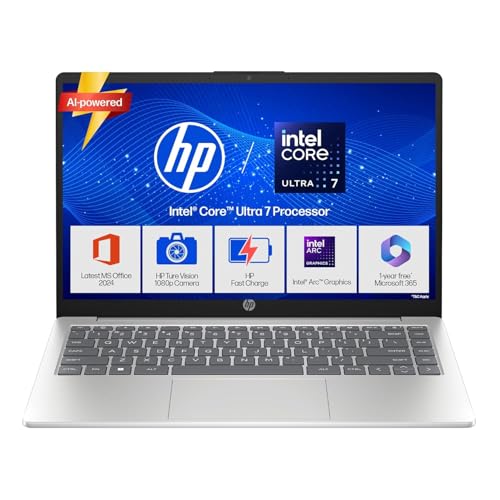
- Processor, Memory & Storage: Intel Core Ultra 7 155H (up to 4.8 GHz with Intel Turbo Boost Technology, 24 MB L3 cache, 1…
- Operating System & Preinstalled Software: Windows 11 Home | MS Office Home 2024 + MISC PC Game Pass DA 3M| 1 year Micros…
- Display & Graphics: 35.6 cm (14″) diagonal, FHD (1920 x 1080), micro-edge, anti-glare, 250 nits, 62.5% sRGB| Graphics:In…
Frequently Asked Questions (FAQ)
What is the best AI automation business for beginners in 2026?
Content repurposing and local marketing automation are ideal starting points.
Can I start an AI automation business without coding?
Yes, no-code platforms allow non-technical users to build advanced workflows.
How much can I earn from AI automation services?
Many professionals scale from $1,000/month to $10,000+/month with retainers.
Which industries need AI automation the most?
Professional services, healthcare administration, e-commerce, real estate, and local services.
Is the AI automation market saturated?
Generic services are crowded, but niche-focused solutions remain in high demand.
Final Thoughts
AI automation is no longer optional—it is a foundation of modern business success. The AI automation business ideas of 2026 reward those who focus on solving real problems, delivering measurable value, and building long-term relationships. Start small, specialize deeply, and scale intelligently. The opportunity is real, the market is ready, and the future belongs to builders.
To build your first AI automation business in 2026, you don’t need expensive infrastructure. A fast, affordable, and AI-friendly hosting like Hostinger is more than enough to launch client dashboards, landing pages, and automation tools—without burning capital.
RELATED POSTS
View all


PayPal India Me Kaam Kaise Karta Hai? Wise Se Paise Transfer Kaise Kare India Se USA?
January 30, 2026 | by mk75089317@gmail.com

The Legal Creator’s Guide to AI Voice Cloning for Audiobooks
December 22, 2025 | by mk75089317@gmail.com
AI Agents & Autonomous Automation Tools: The Complete Beginner’s Guide for 2026
January 21, 2026 | by mk75089317@gmail.com